
Create oip-edThis Is a Constitutional Crisis, Not a Partisan One
This is not a Republican versus Democrat argument.
It’s a much more basic question—one that goes to the heart of the American experiment:
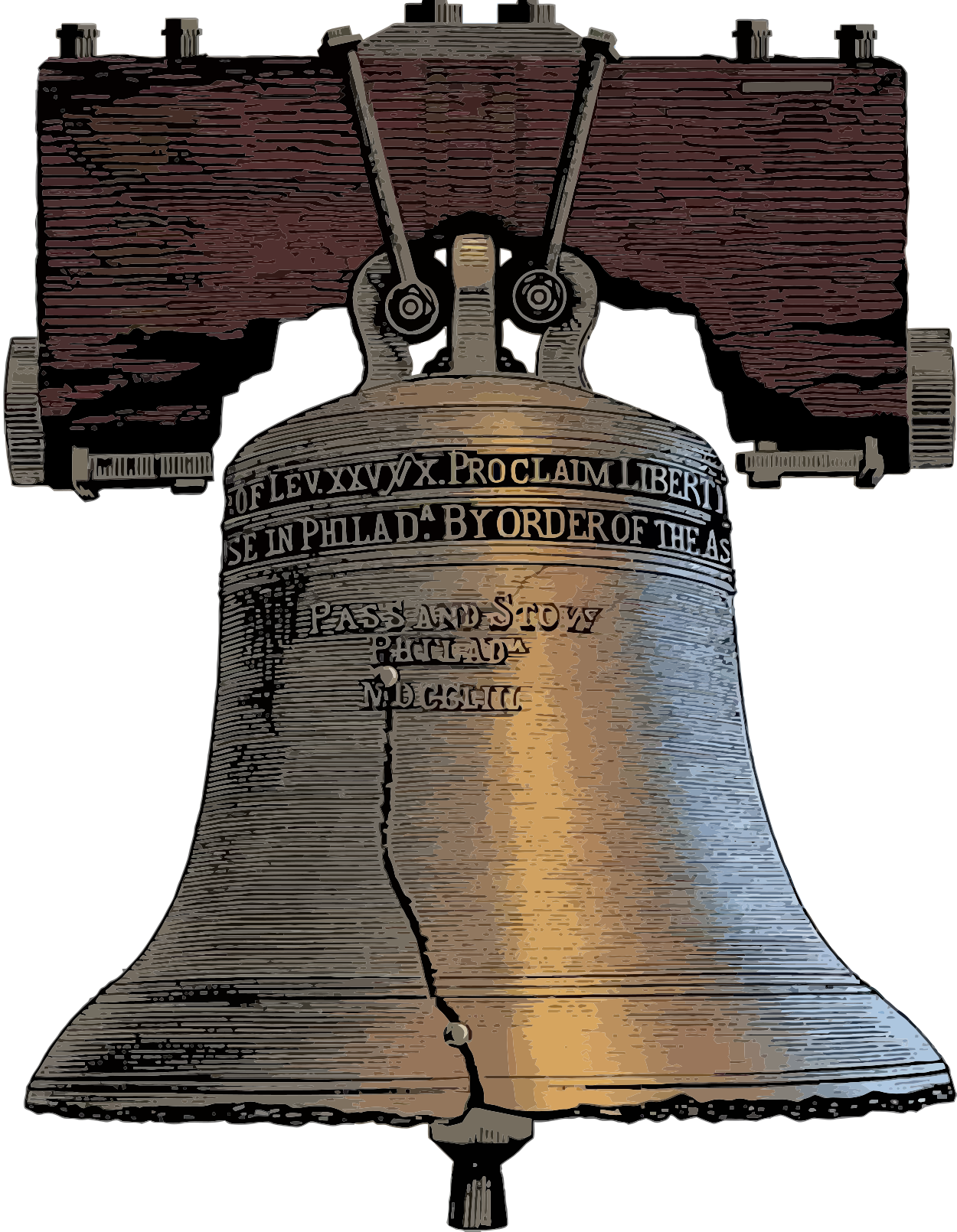
Do we still believe in the United States Constitution and the Bill of Rights?
Do we still intend to live under the rule of law?
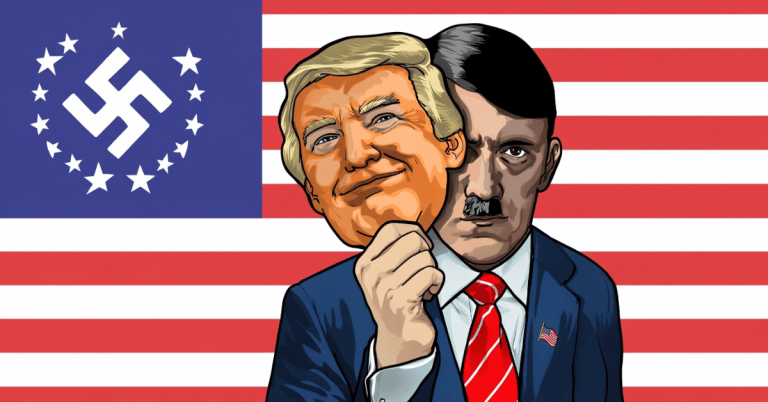
The Constitution is not optional. It is the foundation of American democracy. When a president repeatedly pushes beyond its limits—and when Congress refuses to respond—we are no longer debating policy preferences. We are confronting a failure of constitutional governance.
What follows is a clear, fact-based account of constitutional provisions and Bill of Rights protections that President Donald Trump has allegedly violated, based on public statements, executive actions, court rulings, and documented government conduct.
Free Speech and a Free Press Under Threat
The First Amendment could not be more explicit: government may not retaliate against speech or the press.
Yet Trump repeatedly celebrated and encouraged the removal of media figures who criticized him, including late-night television hosts. He openly suggested that television networks should lose their licenses for unfavorable coverage. He threatened financial and regulatory retaliation against broadcasters and praised regulatory pressure applied to media companies.
That is not the exercise of free speech. When the president threatens to use government power to punish critics, it becomes state retaliation, which the First Amendment explicitly forbids.
Even prominent Republicans recognized the danger. Senator Ted Cruz warned that this kind of pressure resembled “mafia-like intimidation.” Senator Mitch McConnell cautioned that government must never decide “who gets to speak.”
Targeting critics through regulatory threats violates both freedom of speech and freedom of the press—and weakens the democratic system that depends on them.
War Powers and the Constitution’s Limits
The Constitution assigns the power to declare war to Congress alone.
Despite this, Trump ordered military strikes—including actions involving Iran and Venezuelan targets—without congressional authorization and without presenting evidence of an imminent threat. These actions bypassed Congress and violated the War Powers Resolution of 1973, a law designed to prevent exactly this kind of unilateral military escalation.
When Congress fails to challenge or restrain such actions, it abandons its constitutional responsibility and allows the presidency to drift toward unchecked authority.
Tariffs, Taxes, and Congressional Authority
Tariffs are taxes. And under the Constitution, the power to tax belongs to Congress—not the president.
Trump imposed sweeping tariffs through executive action, triggering trade wars that functioned as unilateral taxes on American consumers and businesses. While Congress has delegated limited tariff authority by statute, that delegation does not erase constitutional structure. Congress cannot permanently surrender its core taxing power.
By allowing this to happen, Congress weakened one of the Constitution’s most important checks on executive power.
Interfering With Elections
The Constitution and multiple amendments exist to protect free and fair elections.
Trump pressured election officials to alter vote counts, encouraged intimidation of officials, undermined certification processes, and sought to overturn lawful election results. These actions struck at the heart of democratic consent—the principle that governments derive legitimacy from the will of the people.
Election interference is not just illegal. It is fundamentally unconstitutional.
Profiting From the Presidency
The Constitution contains two Emoluments Clauses for a reason: to prevent corruption and foreign influence.
Presidents are prohibited from accepting benefits from foreign governments without congressional consent, and from receiving financial benefits beyond their official salary. Yet Trump and his family reportedly generated billions of dollars in foreign and domestic business deals while he was in office, without divestment or congressional approval.
This represents a direct conflict of interest and undermines the Constitution’s explicit anti-corruption safeguards.
Due Process and the Rule of Law
The Fifth and Fourteenth Amendments guarantee due process to all persons, not just citizens.
Yet Trump-era policies included detentions without hearings, deportations without adequate legal process, and prolonged or indefinite detention. Courts repeatedly ruled that aspects of these policies violated constitutional protections.
When due process becomes optional, liberty itself is at risk.
Weaponizing Government Power
A president may not use government agencies to punish personal or political enemies.
Trump repeatedly called for investigations or punishment of political opponents, former officials, judges, journalists, law firms, and universities. This behavior violates separation of powers and constitutional guarantees of equal protection and due process.
It mirrors authoritarian “enemies list” tactics—not constitutional governance.
Federal Troops on American Streets
Trump deployed federal forces into U.S. cities without state consent, using unidentified agents and military-style tactics against civilians.
These actions raised serious violations of:
- States’ rights under the Tenth Amendment
- The right to peaceful assembly
- Protections against unreasonable seizure
- The Posse Comitatus Act
Even Republican leaders and Trump’s own Defense Secretary warned against these actions.
Failing the “Take Care” Clause
The Constitution requires the president to “take care that the laws be faithfully executed.”
A sustained pattern of constitutional violations, defiance of oversight, and politicization of law enforcement is, by definition, a failure of that duty.
Impeachment, Insurrection, and Accountability
The Constitution allows removal of a president for treason, bribery, or high crimes and misdemeanors. Federal law and the Fourteenth Amendment also address insurrection, seditious conspiracy, and disqualification from office.
These provisions exist for moments like this—when the survival of constitutional order is at stake.
A Republic at Risk
This is not about ideology.
It is about whether the Constitution still matters.
Congress has failed to defend its own authority.
The executive branch has overreached.
The rule of law has been weakened.
When Congress enforced the Constitution against Nixon, the system worked.
The question now is unavoidable:
Why won’t this Congress do its duty?
What are they afraid of?
If constitutional enforcement becomes optional, the Constitution itself becomes meaningless—and the Republic cannot survive that choice.