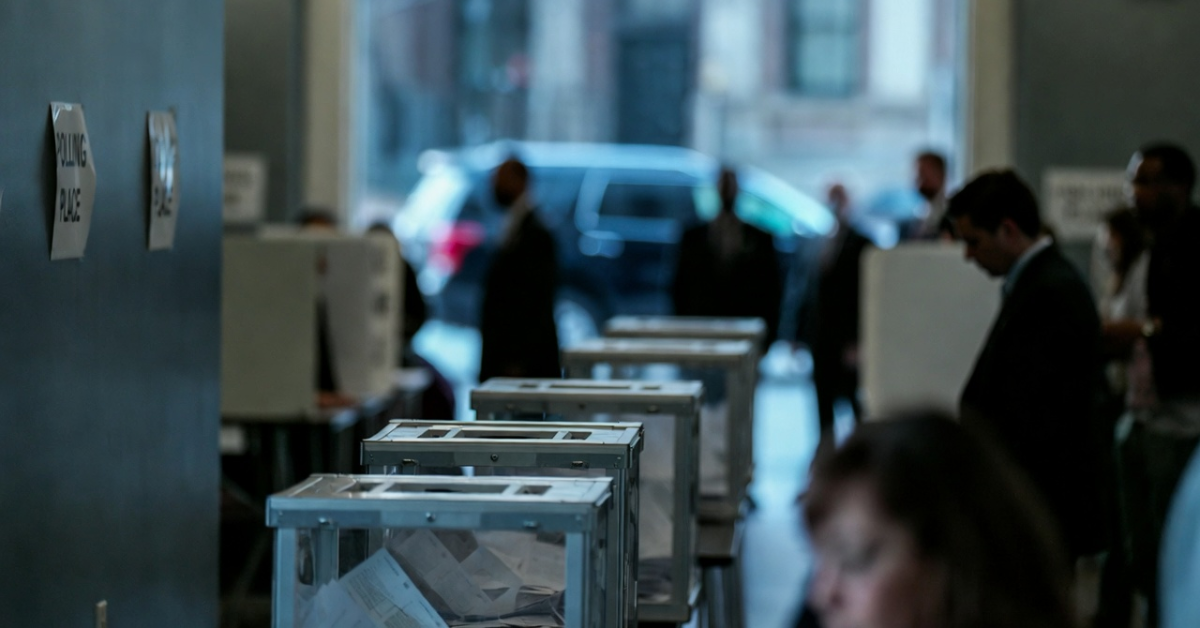
There is a serious and growing risk that President Trump will attempt to interfere with the upcoming midterm elections by deploying federal agencies—such as ICE—into major Democratic-leaning cities during the voting period.
This is not a partisan concern. It is a constitutional one.
Congress must act now to protect the integrity of our elections. Any new federal budget should explicitly prohibit ICE and other federal law-enforcement agencies from conducting operations related to voter registration, election offices, or ballot access from November 1 through November 15 of any federal election year.
In addition, Congress must create real consequences for election interference. Any federal official who interferes with elections should face a mandatory minimum sentence of 10 years in prison, and the law should clearly state that presidential pardons are not permitted for election-interference offenses.
Congress must also bar the President and executive agencies from demanding or collecting copies of ballots from prior elections or full state voter rolls. Elections are run by states—not by the White House.
The courts have already been clear. Federal judges have repeatedly rejected Trump-administration efforts to seize or compel access to state voter rolls, ruling that the statutes cited do not authorize blanket access, that election administration is a state responsibility, and that broad data demands threaten voter privacy and voting rights.
The Constitution gives states primary authority over elections. Article I, Section 4 assigns states control over the “times, places, and manner” of elections, while the Tenth Amendment reserves undelegated powers to the states. When the executive branch interferes with state-run elections, it violates the basic principles of federalism.
Federal election laws have also been misused. The National Voter Registration Act allows enforcement actions when states fail to maintain voter rolls—but it does not permit mass data seizures or political fishing expeditions. The Help America Vote Act sets standards but does not authorize federal takeover of voter databases. The Civil Rights Act of 1960 allows limited inspection only for specific civil-rights investigations, not broad election interference.
Federal privacy laws further limit government collection of personal voter data without clear authority and purpose. Mass collection of voter information risks violating privacy, data-protection standards, and constitutional safeguards.
The Hatch Act also prohibits federal officials from using their authority to influence elections—whether by targeting opposition states, timing enforcement actions around elections, or using federal power for partisan advantage.
Finally, federal criminal law makes it a crime to interfere with voting through intimidation, coercion, or abuse of official authority. Ballots are state-controlled materials, and federal access requires a court order, a specific criminal case, and probable cause. Anything less risks violating the Fourth Amendment and the separation of powers.
This is not just about voter rolls. It is about federalizing elections by force, normalizing executive interference, creating pretexts for emergency powers, and undermining public trust to delay or overturn elections.
If a president sends federal officials into states to seize voter rolls or ballots without clear legal authority, it is not merely improper. It is illegal. And if done to influence elections, it is impeachable.
David Yellin
Sunset Beach CA
16651 S. Pacific Ave
213 407 5900